
inchester Insurance, Inc.


inchester Insurance, Inc.



Elevation Certificate - A certificate that verifies the elevation data of a structure on a given property relative to the ground level. The Elevation Certificate is used by local communities and builders to ensure compliance with local floodplain management ordinances and is also used by insurance agents and companies in the rating of flood insurance policies.
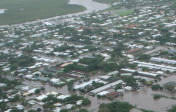
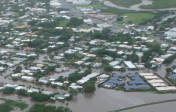
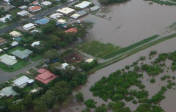
Flood - A general and temporary condition of partial or complete inundation of two or more acres of normally dry land area or of two or more properties (at least one of which is the policyholder's property) from overflow of inland or tidal waters, unusual and rapid accumulation or runoff of surface waters from any source, mudflow, or collapse/subsidence of land along the shore of a lake or similar body of water as a result of erosion or undermining caused by waves or currents of water exceeding anticipated cyclical levels that result in a flood as defined above
Flood Zone (Zone) - A geographical area shown on a Flood Hazard Boundary Map or a Flood Insurance Rate Map that reflects the severity or type of flooding in the area.
Preferred Risk Policy (PRP) - A policy that offers fixed combinations of building/contents coverage or contents-only coverage at modest, fixed premiums. The PRP is available for property located in B, C, and X zones in Regular Program communities that meet eligibility requirements based on the property's flood loss history.
Regular Program - The final phase of a community's participation in the National Flood Insurance Program. In this phase, a Flood Insurance Rate Map is in effect and full limits of coverage are available under the Act.
Please visit Flood Smart
for further
flood education.

Educate Yourself
After getting flood insurance, there are several things you can do to minimize losses in your home and ensure your family’s safety.
1. Safeguard your possessions
Create a personal “flood file” containing information about all your possessions and keep it in a secure place, such as a safe deposit box or waterproof container. This file should have:
v
A copy of your insurance policies with your
agent’s contact information
v
A room-by-room inventory of your possessions,
including receipts, photos, and videos
v
Copies of all other critical documents, including
finance records or receipts of major purchases
2. Prepare your house
v
First make sure your sump pump is working and
then install a battery-operated backup, in case of
a power failure.
v
Clear debris from gutters and downspouts
v
Anchor any fuel tanks.
v
Raise your electrical components (switches,
sockets, circuit breakers, and wiring) at least 12
inches above your home’s projected flood
elevation.
v
Place the furnace, water heater, washer, and
dryer on cement blocks at least 12 inches above
the projected flood elevation.
v
Move furniture, valuables, and important
documents to a safe place.
3. Develop a family emergency plan
v
Create a safety kit with drinking water, canned
food, first aid, blankets, a radio, and a flashlight.
v
Post emergency telephone numbers by the phone
and teach your children how to dial 911.
v
Plan and practice a flood evacuation route with
your family. Know safe routes from home, work,
and school that are on higher ground.
v
Ask an out-of-state relative or friend to be your
emergency family contact.
v
Have a plan to protect your pets.